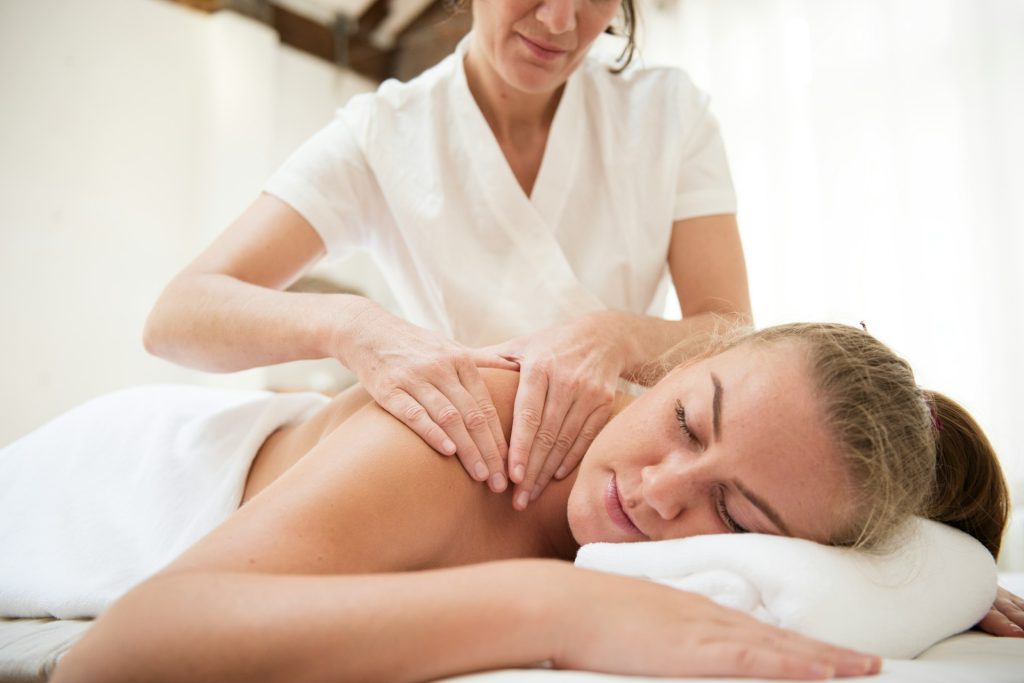
Picture warm oil, slow movements, soft music, and the feeling of your shoulders finally dropping away from your ears. You settle in, breathe a little deeper, and let your body relax.
A Swedish massage is a classic full-body massage that uses long, gliding strokes, kneading, and gentle rhythmic movements to encourage relaxation and ease everyday muscle tension. Pressure can range from light to moderate, making it a popular choice for both first-time guests and experienced massage lovers.
What Is a Swedish Massage?
Swedish massage is the classic style most people picture when they think of a massage. You lie on a padded table under a sheet, and the therapist works through your back, shoulders, neck, arms, legs, and feet with massage oil and a steady, flowing rhythm.
The pressure is usually light to medium. The goal is relaxation, easing muscle tension, warming tissue, and letting your nervous system settle. Deeper, more targeted work exists (more on that below), but a Swedish massage is meant to feel good while it’s happening.
The name is a little misleading. Swedish physiologist Per Henrik Ling developed a system of therapeutic movement in the early 1800s and is often called its founder. The strokes used today were organized and named later that century by a Dutch physician, Johann Mezger, which is why they have French names. In Sweden, it’s simply called “classic massage.”
The Five Core Strokes Of Swedish Massage
Effleurage
Effleurage consists of long, gliding strokes performed by a therapist’s hands. It’s often used at the beginning and end of a massage and between other techniques. The sensation is smooth and gentle, helping you settle into the treatment while warming your muscles.
Petrissage
Petrissage is the kneading portion of a Swedish massage and feels more focused than effleurage. Your therapist lifts, rolls, and squeezes your muscles, a bit like working bread dough. This is the stroke that finds the tight spots in your shoulders and calves.
Friction
Friction uses smaller, more focused movements that create warmth in your tissues. Your therapist uses their fingers, thumbs, or palms to work into a particular area rather than making long strokes across your body. You’ll feel it most along your spine and around your shoulder blades.
Tapotement
Tapotement involves rhythmic tapping, patting, or percussion movements. It has a lighter, more stimulating sensation than the slower techniques used throughout most of a Swedish massage. Many therapists use it sparingly or skip it if you’d rather keep things quiet.
Vibration
Vibration uses quick, gentle shaking or trembling movements. It can feel almost like a soft buzzing sensation and is typically used briefly as part of the overall massage. It’s used to loosen your muscle before the next stroke.
Is Swedish Massage a Full Body Massage?
It can be. A standard Swedish body massage typically works across multiple areas of your body, including your back, shoulders, arms, legs, neck, and feet. Exactly what your session includes depends on the length of your appointment and what you and your therapist discuss beforehand.
Draping is also part of the experience. You’ll undress only to your comfort level and remain covered with a sheet or towel throughout the massage, with your therapist uncovering only the area they’re working on.
Have an area you’d rather skip? Want your therapist to spend more time on your shoulders or back? Just let them know. A good massage should be comfortable and personalized to you.
What Is a Swedish Massage Like?
It starts with a short conversation. Your therapist will ask about injuries, sore areas, any health conditions, and what kind of pressure you like. If you’re not sure, “medium, and I’ll tell you if it’s too much,” is a perfectly good answer.
Then they’ll step out while you undress to whatever level feels comfortable and settle under the sheet, usually face down with your head resting in a padded cradle.
The first touch is usually warm oil spread across your back in long, slow strokes. The pace is deliberate. Nothing feels rushed, and after a few minutes your breathing tends to fall in with the rhythm of the strokes. Somewhere in the first quarter hour, a lot of people notice their jaw has unclenched.
Talk as much or as little as you like. The one thing worth saying out loud is pressure. If something’s too deep or too light, tell them. Our therapists would much rather adjust than have you put up with it.
At Pura Vida, we hear guests all of the time commenting on how great our massage and spa team is. Read through our reviews and you’ll see things like, “…the massage therapists are all excellent,” or, “The masseuse I saw was so kind and thorough.” Massages are one of the reasons people continue to come back to our retreat and spa.
Benefits of Swedish Massage
The most dependable benefit is the one you notice right away: you feel calmer. Research has found short-term drops in stress markers like cortisol and heart rate right after a massage (1).
It can also ease everyday muscle tension, like the stiff shoulders that come with a desk job or the tight calves after a long hike. Research on massage after exercise found it can ease how sore your muscles feel (2).
What a Swedish massage won’t do is fix an injury or stand in for medical care. Think of it as a reset for your body and nervous system rather than a treatment plan.
Swedish Massage vs. Deep Tissue: What’s the Difference?
The difference between Swedish versus deep tissue massage comes down to pressure and purpose. Swedish massage uses lighter, flowing strokes across your whole body to help you relax. Deep tissue massage uses slow, firm pressure to reach the deeper layers of muscle and connective tissue, usually focused on one problem area.
Deep tissue can be uncomfortable in the moment and leave you sore for a day or two. Swedish rarely does. If you’re new to massage, mostly want to unwind, or are on vacation and don’t want to spend tomorrow aching, start with Swedish. If you have a long-standing knot you want worked out, deep tissue is the better fit. Many therapists will blend the two in a single session, depending on your preference, of course.
Should You Book a Swedish Massage?
Swedish massage makes a good first massage. It’s also a good choice if you’re carrying a lot of stress, feeling stiff after a long flight, or simply want an hour of quiet.
A few situations call for a word with your doctor before you book, including pregnancy, a recent surgery or injury, blood clots or a bleeding disorder, or a condition that affects your skin, heart, or bones. Massage is often still possible with some adjustments. Your therapist just needs to know ahead of time.
Relax With a Massage At Pura Vida!
A massage can be the perfect way to slow down and relax. We offer a variety of massages at our Wellness Centre that pair perfectly with a yoga session, nourishing meals, and time spent taking in the Costa Rica mountain air. After all, wellness doesn’t have to mean fixing something. Sometimes it’s simply giving yourself space to rest, breathe, and feel good.
BOOK NOW | HOST A YOGA RETREAT
References:
- Moraska A, et al. Published May 7, 2008. Physiological Adjustments to Stress Measures Following Massage Therapy: A Review of the Literature
- Weerapong P, Hume PA, Kolt GS. Published 2005. The Mechanisms of Massage and Effects on Performance, Muscle Recovery and Injury Prevention